Responsibilities of Property Owners to Prevent Falls
 At Rusk, Wadlin, Heppner & Martuscello, LLP, we regularly represent individuals who have suffered serious injuries in slip-and-fall and trip-and-fall accidents in Ulster County and the mid-Hudson Valley. Many of these incidents could have been prevented if property owners had taken reasonable steps to maintain safe premises. Under New York law, property owners and those in control of real property have a legal duty to keep their premises reasonably safe. When they fail to meet that responsibility, and someone is injured as a result, they can be held accountable through a premises liability claim.
Falls are one of the leading causes of injury in New York, from retail stores and apartment buildings to parking lots, sidewalks, and construction sites. Understanding what the law requires of property owners can help injured victims recognize when negligence may have played a role in their accident. For personalized advice and representation tailored to your specific situation, call Rusk, Wadlin, Heppner & Martuscello, LLP, to review your case with a seasoned and dedicated Kingston premises liability lawyer.
The Legal Duty to Maintain Safe Premises
In New York, property owners, landlords, business operators, and property managers must maintain their premises in a reasonably safe condition. This duty applies to conditions that the owner created, knew about, or should have discovered through reasonable inspection.
The standard is not perfection. Property owners are not automatically responsible for every accident that occurs on their property. However, they must take reasonable steps to identify and correct dangerous conditions. This includes conducting routine inspections, performing timely repairs, and warning visitors about hazards that cannot be immediately fixed.
The scope of the duty often depends on the circumstances. For instance, a grocery store open to the public must regularly monitor aisles for spills and debris. A landlord must ensure that common areas such as stairwells and hallways are properly lit and free from dangerous defects. A commercial property owner must address snow and ice accumulation within a reasonable period after a storm.
Common Hazards That Lead to Falls
Property owners are expected to address conditions that create a foreseeable risk of slipping or tripping. Some of the most common fall hazards include:
- Wet or slippery floors caused by spills, leaks, or recent mopping without warning signs
- Uneven flooring, broken tiles, loose carpeting, or damaged floorboards
- Cracked sidewalks and potholes in parking lots
- Poor lighting in stairwells, hallways, or entryways
- Accumulated snow and ice on sidewalks and walkways
- Broken or missing handrails on stairs
When these hazards exist and are not promptly corrected, the risk of serious injury increases significantly.
The Importance of Inspections and Maintenance
A key part of a property owner’s responsibility is conducting regular inspections. The law recognizes that hazards can develop over time. For that reason, owners and managers must implement reasonable inspection practices to identify unsafe conditions before someone gets hurt.
For example, retail stores are generally expected to have procedures for routinely checking aisles and entrances for spills. Apartment building owners should inspect staircases, railings, and common areas for deterioration. Parking lots and exterior walkways should be monitored for cracks, loose pavement, and drainage issues.
Failure to inspect a property can lead to what is known as “constructive notice.” Even if the owner claims they were unaware of a hazard, they may still be liable if the condition existed long enough that a reasonable inspection would have discovered it.
Addressing Snow and Ice Hazards
In New York, snow and ice are a frequent cause of fall-related injuries. Property owners are generally required to remove snow and ice within a reasonable time after a storm ends. What constitutes a reasonable time depends on the circumstances, including the severity of the storm and the size of the property.
Simply waiting for conditions to improve is not enough. Owners may need to shovel, plow, salt, or sand walkways and entrances. If snow removal efforts create additional hazards, such as icy patches caused by improper drainage, the owner may still be held responsible.
Municipalities may also impose local ordinances requiring property owners to clear adjacent sidewalks. Failure to comply with these requirements can strengthen a claim that the owner acted negligently.
The Duty to Warn of Dangerous Conditions
When a hazardous condition cannot be immediately fixed, property owners must provide adequate warnings. Warning signs, cones, barricades, or temporary closures can help reduce the risk of injury.
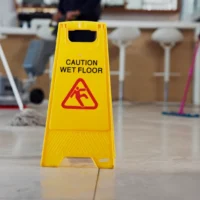
For instance, if a floor has just been mopped, placing clear and visible “wet floor” signs is essential. If a stair railing is temporarily unstable and awaiting repair, blocking access to the area may be necessary.
A warning must be visible and understandable. Small, hidden, or unclear warnings may not satisfy the legal duty to protect visitors from harm.
Responsibilities of Landlords and Property Managers
Landlords have a particular responsibility to maintain common areas in apartment buildings and multi-unit properties. Hallways, lobbies, staircases, elevators, and parking areas must be kept reasonably safe for tenants and their guests.
While tenants are generally responsible for conditions inside their own apartments, landlords may still be liable if they were aware of a dangerous condition and failed to address it. For example, if a landlord knows about a broken step in a common stairwell and delays repairs, they may be held responsible for injuries that result.
Property management companies hired to oversee maintenance may also share liability if they fail to perform their duties properly.
Proving Negligence in a Fall Case
To hold a property owner responsible for a fall injury, an injured person must generally prove that:
- A dangerous condition existed on the property
- The owner created the condition or had actual or constructive notice of it
- The owner failed to take reasonable steps to fix or warn about the hazard
- The dangerous condition directly caused the injury
Evidence in these cases often includes photographs of the hazard, surveillance footage, maintenance records, incident reports, and witness testimony. Medical records are also critical in linking the fall to the injuries sustained.
Serious Injuries Resulting From Falls
Falls can cause far more than minor bruises. Many victims suffer fractures, torn ligaments, spinal injuries, or traumatic brain injuries. Older adults are particularly vulnerable to hip fractures and head injuries, which can lead to long-term complications.
Some fall-related injuries require surgery, physical therapy, and extended time away from work. In severe cases, victims may experience permanent disability or chronic pain. When a fall results in fatal injuries, surviving family members may have grounds for a wrongful death claim.
The financial and emotional impact of these injuries can be overwhelming, especially when medical bills and lost wages begin to accumulate.
Comparative Negligence in New York Fall Cases
New York follows a comparative negligence rule in personal injury claims. This means that even if an injured person is found partially responsible for their fall, they may still recover compensation. However, their recovery may be reduced in proportion to their share of fault.
Property owners and insurance companies often argue that the injured person was not paying attention or was wearing improper footwear. A careful investigation is often necessary to counter these arguments and demonstrate that the sole or primary cause of the fall was the unsafe condition.
Taking Action After a Fall Injury
After a fall, it is important to seek medical attention promptly and report the incident to the property owner or manager. If possible, taking photographs of the hazard and gathering contact information from witnesses can help preserve valuable evidence.
Because property owners and insurers may move quickly to defend against claims, obtaining legal guidance early in the process can be critical. An attorney can investigate the circumstances, request maintenance records, and determine whether the owner failed to meet their legal obligations.
Frequently Asked Questions About Property Owner Responsibility for Falls
How long do I have to file a slip-and-fall lawsuit in New York?
In most cases, you have three years from the date of the accident to file a personal injury lawsuit. However, if the claim involves a municipality or public entity, much shorter notice requirements and deadlines may apply.
What if the property owner says they didn’t know about the hazard?
Even if an owner denies actual knowledge, they may still be liable if the dangerous condition existed long enough that they should have discovered it through reasonable inspections. This is known as constructive notice.
Can I recover compensation if I was partially at fault for my fall?
Yes. Under New York’s comparative negligence rule, you may still recover damages even if you share some responsibility. Your compensation would be reduced by your percentage of fault.
What types of damages are available in a premises liability case?
Injured victims may seek compensation for medical expenses, lost wages, reduced earning capacity, pain and suffering, and other related losses. The exact value of a claim depends on the severity of the injuries and their long-term impact.
Protecting the Rights of Injury Victims in Ulster County
Property owners have a clear responsibility to take reasonable steps to prevent falls. When they ignore hazards, delay repairs, or fail to warn visitors of known dangers, serious injuries can result. Holding negligent parties accountable not only helps injured individuals recover compensation but also encourages safer practices for the community.
At Rusk, Wadlin, Heppner & Martuscello, LLP, we understand the physical, financial, and emotional toll a fall injury can take. Our team is committed to thoroughly investigating premises liability claims and pursuing full compensation for medical expenses, lost income, pain and suffering, and long-term care needs. If you or a loved one has been injured in a fall due to unsafe property conditions, contact Rusk, Wadlin, Heppner & Martuscello, LLP today to discuss your legal options and learn how we can help you move forward. Call 845-331-4100 in Kingston, 845-236-4411 in Marlboro, or 800-566-4101 toll-free throughout the Hudson Valley to get started with a free consultation.
