


Legal Rights of Injured Construction Workers in New York
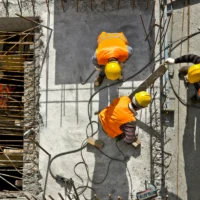 Construction work is inherently dangerous, and workers can suffer devastating injuries when employers, contractors, property owners, or other parties fail to follow required safety practices. A construction accident can leave an injured worker facing surgery, rehabilitation, lost income, and uncertainty about whether they will ever be able to return to the same job. New York law provides several important protections for construction workers, including workers’ compensation benefits and, in appropriate circumstances, the right to pursue a personal injury lawsuit against a negligent third party.
At Rusk, Wadlin, Heppner & Martuscello, LLP, we represent injured construction workers throughout Ulster County and the Hudson Valley and help them understand the legal remedies that may be available after an accident. Knowing your rights after a construction accident is important because different claims have different requirements and deadlines.
Workers’ Compensation Benefits for Injured Construction Workers
Workers’ compensation is generally the first source of benefits for an employee injured in a work-related accident. New York’s workers’ compensation system provides medical care and cash benefits for eligible workers who suffer job-related injuries, without requiring the worker to prove that the employer was negligent. Workers’ compensation can provide coverage for necessary medical treatment and partial wage replacement when an injury prevents an employee from working. Benefits may continue while the worker recovers or, depending on the nature and severity of the injury, for longer periods when the injury causes continuing disability.
After a construction accident, an injured worker should seek medical attention and notify the employer of the injury as soon as possible. The New York Workers’ Compensation Board advises workers to notify their employer in writing within 30 days of the injury or of learning that a condition is work-related. The Board also recommends filing a workers’ compensation claim with the Board. Prompt reporting is important for more than complying with a deadline. Early documentation can establish when and where the accident occurred and create a record of the worker’s symptoms and treatment. Delays in reporting an injury can allow an insurer or opposing party to argue that the condition was unrelated to the accident. Construction workers should also provide medical providers with accurate information about how the injury occurred and identify the employer and workers’ compensation carrier when appropriate.
Construction workers should understand that receiving workers’ compensation does not mean that workers’ compensation is the only potential source of recovery. A construction accident may involve parties other than the injured worker’s employer, and those parties may potentially be subject to a separate personal injury claim.
New York Labor Law Section 240(1)
New York Labor Law § 240(1), commonly called the Scaffold Law, provides important protections for workers exposed to certain elevation-related hazards during construction, demolition, and related activities. The statute requires owners and contractors to provide appropriate safety devices, including equipment designed to protect workers from gravity-related risks. Section 240(1) imposes a nondelegable duty on covered owners and contractors. New York courts have recognized that the statute can impose liability when a failure to provide adequate protection against an elevation-related hazard proximately causes a worker’s injuries. Falls from scaffolds, ladders, roofs, and elevated work surfaces are common examples of accidents that may implicate Labor Law § 240(1). The statute can also apply to certain accidents involving falling objects and other elevation-related risks.
Importantly, not every construction accident is covered by § 240(1). The particular work being performed, the nature of the hazard, and the circumstances of the accident must be examined carefully.
New York Labor Law Section 241(6)
Labor Law § 241(6) provides another important protection for construction workers performing certain construction, excavation, and demolition work. The statute requires owners and contractors to provide reasonable and adequate protection to workers and requires compliance with applicable provisions of the New York Industrial Code. Unlike a general negligence claim, a § 241(6) claim is based on a violation of a sufficiently specific Industrial Code provision. Consequently, identifying the precise safety regulation that applies to the accident can be a critical part of the case. Construction accidents involving unsafe excavation sites, inadequate fall protection, dangerous work areas, defective equipment, and other violations may potentially support a Labor Law § 241(6) claim depending on the facts and applicable regulations.
Labor Law Section 200 and Common-Law Negligence
New York Labor Law § 200 codifies a general duty to provide construction workers with a reasonably safe workplace. Unlike § 240(1), which addresses particular elevation-related hazards, and § 241(6), which concerns compliance with specified Industrial Code requirements, § 200 and common-law negligence claims generally require an examination of how the dangerous condition arose and who had responsibility for it. For example, if a dangerous condition on a construction site caused an injury, the question may include whether the owner or contractor created the condition or had notice of it. When an accident results from the manner in which work was performed, the ability to supervise or control the injury-producing work may become particularly important. These distinctions can affect which parties may be liable and what an injured worker must prove.
Third-Party Claims Beyond Workers’ Compensation
One of the most important rights injured construction workers should understand is the potential ability to pursue a claim against a third party. Workers’ compensation generally provides the exclusive remedy against an employer, but New York law permits certain lawsuits against parties other than the employer. The Workers’ Compensation Board specifically identifies equipment manufacturers, facility owners, and other non-employer parties as examples of potential third parties. For example, a construction worker injured by defective equipment might have a claim against the manufacturer or another responsible party. A worker injured because of unsafe conditions at a property may potentially have claims against a property owner or general contractor under applicable provisions of the Labor Law. A third-party personal injury claim can be particularly important because it may allow recovery of damages that are not available through workers’ compensation, including compensation for pain and suffering.
Compensation Available in a Personal Injury Claim
When a third party is legally responsible for a construction accident, an injured worker may be able to seek compensation for a broader range of losses than workers’ compensation provides. Depending on the circumstances, damages may include medical expenses, lost income, diminished future earning capacity, and pain and suffering.
Serious construction injuries can have lifelong consequences. A spinal cord injury may require extensive medical care and permanently affect a worker’s mobility. A traumatic brain injury can interfere with memory, concentration, personality, and the ability to work. Severe fractures, amputations, and other catastrophic injuries can similarly result in permanent limitations. A personal injury claim should account for both the losses that have already occurred and the future consequences of the injury.
Evidence That Can Protect an Injured Worker’s Rights
Construction accident cases often involve multiple employers, contractors, subcontractors, property owners, equipment operators, and insurance companies. Determining who may be legally responsible requires a careful investigation. Evidence can include accident reports, photographs and videos of the accident scene, witness statements, safety records, OSHA or other inspection records, equipment maintenance documents, contracts, worksite policies, medical records, and testimony from construction and medical experts. Because construction sites can change quickly after an accident, important evidence may disappear if it is not preserved. Equipment may be repaired or removed, defective safety devices may be replaced, and hazardous conditions may no longer exist.
Protecting Rights After a Construction Accident
Injured construction workers should not assume that an employer’s workers’ compensation insurance is the only legal remedy available. The circumstances of the accident may provide grounds for additional claims under New York Labor Law or against negligent third parties. At the same time, workers should avoid making assumptions about who is responsible before the facts have been investigated. Construction projects commonly involve layers of contractual relationships, and determining liability requires examining the specific roles and responsibilities of everyone involved. Acting promptly can also help protect evidence and ensure that applicable filing deadlines are not overlooked.
Frequently Asked Questions About Construction Worker Rights in New York
What are my rights if I am injured in a construction accident in New York?
You may be entitled to workers’ compensation benefits for medical care and lost wages. Depending on how the accident occurred, you may also have a personal injury claim under New York Labor Law or against a negligent third party.
Can a construction worker sue their employer after an accident?
Workers’ compensation is generally the exclusive remedy against an employer for a workplace injury. However, exceptions can apply in particular circumstances, and an injured worker may have a separate claim against other responsible parties.
What is the New York Scaffold Law?
New York Labor Law § 240(1), commonly known as the Scaffold Law, protects workers from elevation-related hazards by requiring covered owners and contractors to provide appropriate safety devices and making them absolutely liable for injuries when they don’t.
Can I receive workers’ compensation and still sue another party?
Potentially. Workers’ compensation claims and third-party personal injury claims can coexist when someone other than the employer is legally responsible for the accident.
What should I do after a construction accident in New York?
Seek medical attention, notify your employer promptly, document the accident and your injuries when possible, and consider speaking with an attorney before making decisions about a potential personal injury claim.
Contact Rusk, Wadlin, Heppner & Martuscello, LLP
A construction accident can affect your health, ability to work, and financial future. New York law provides important protections for injured construction workers, but determining which benefits and legal claims may apply requires a careful review of the circumstances surrounding the accident. At Rusk, Wadlin, Heppner & Martuscello, LLP, we help injured construction workers understand their rights and pursue the compensation available to them. If you or a loved one has been injured in a construction accident, contact Rusk, Wadlin, Heppner & Martuscello, LLP today to discuss your situation and learn how we can help protect your rights. Call 845-331-4100 in Kingston, 845-236-4411 in Marlboro, or 800-566-4101 toll-free in the Hudson Valley.
