


Diagnosis and Treatment of Traumatic Brain Injury
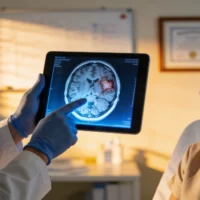 A traumatic brain injury (TBI) can have profound and lasting effects on a person’s physical health, cognitive abilities, emotional well-being, and overall quality of life. Whether caused by a motor vehicle accident, a slip and fall, a construction accident, or another traumatic event, a brain injury requires prompt medical attention and ongoing care. Early diagnosis and appropriate treatment are critical not only for improving recovery but also for reducing the risk of long-term complications.
At Rusk, Wadlin, Heppner & Martuscello, LLP, our Kingston personal injury attorneys understand the significant challenges that traumatic brain injury victims and their families face. Many people with TBIs require months or even years of medical treatment and rehabilitation, and some are left with permanent impairments. Understanding how traumatic brain injuries are diagnosed and treated can help victims appreciate the importance of obtaining immediate medical care after an accident.
Understanding Traumatic Brain Injury
A traumatic brain injury occurs when an external force disrupts normal brain function. The injury may result from a direct blow to the head, violent shaking, or a penetrating injury to the skull. TBIs range from relatively mild concussions to severe brain injuries that cause permanent neurological damage.
Not every brain injury is immediately obvious. Some individuals lose consciousness following an accident, while others remain awake but experience subtle symptoms that worsen over time. Because delayed symptoms can indicate serious complications, anyone who experiences a head injury should seek medical evaluation as soon as possible.
Recognizing the Symptoms of a TBI
The symptoms of a traumatic brain injury vary depending on the severity of the injury and the area of the brain affected. Mild TBIs may produce headaches, dizziness, confusion, nausea, blurred vision, sensitivity to light or noise, and difficulty concentrating.
Moderate and severe TBIs often involve more significant symptoms, including prolonged loss of consciousness, seizures, repeated vomiting, slurred speech, weakness in the arms or legs, severe headaches, memory loss, personality changes, and difficulty communicating.
Some symptoms may not develop until hours or even days after an accident. Because of this, medical observation and follow-up care are often necessary, even if an injured person initially appears to be recovering.
The Diagnostic Process
Diagnosing a traumatic brain injury begins with a thorough medical evaluation. Emergency physicians first assess the patient’s airway, breathing, circulation, and overall stability before focusing on neurological function. Doctors will ask questions about the accident, the patient’s symptoms, and whether there was any loss of consciousness or memory impairment. Family members or witnesses may also provide valuable information, particularly if the injured person is unable to communicate effectively. Early diagnosis allows physicians to identify life-threatening complications and develop an appropriate treatment plan.
Neurological Evaluations
Neurological examinations are one of the most important components of diagnosing a traumatic brain injury. During the examination, healthcare providers evaluate several aspects of brain function, including consciousness, memory, coordination, balance, reflexes, sensation, speech, vision, and motor function. One commonly used assessment tool is the Glasgow Coma Scale (GCS). The GCS measures a patient’s eye opening, verbal responses, and motor responses to help determine the severity of the brain injury. Lower scores generally indicate more serious injuries requiring intensive medical intervention.
Neurological evaluations may be repeated throughout hospitalization to monitor changes in the patient’s condition and identify signs of improvement or deterioration.
Imaging Tests
Medical imaging plays a critical role in diagnosing traumatic brain injuries, particularly moderate and severe cases. Computed tomography (CT) scans are often the first imaging test performed after a serious head injury. CT scans can quickly identify skull fractures, bleeding within the brain, swelling, and other emergency conditions requiring immediate treatment.
Magnetic resonance imaging (MRI) provides more detailed images of the brain and may be performed after the patient’s condition has stabilized. MRIs are especially useful for detecting smaller injuries, diffuse axonal injuries, and damage that may not appear on a CT scan.
Although imaging studies are valuable diagnostic tools, they do not always detect every traumatic brain injury. Many concussion victims have normal CT scans and MRIs despite experiencing significant symptoms. Physicians often rely on neurological examinations, cognitive testing, and clinical observations in addition to imaging results.
Cognitive and Neuropsychological Testing
Many individuals with traumatic brain injuries experience problems with memory, attention, concentration, problem-solving, and emotional regulation. Neuropsychological testing evaluates these cognitive functions through a series of standardized assessments. These evaluations help physicians understand the extent of cognitive impairment and develop individualized rehabilitation plans. They also provide valuable documentation regarding the long-term effects of a brain injury, which may become important in a personal injury claim.
Emergency Treatment
The immediate treatment of a traumatic brain injury focuses on preventing additional damage to the brain. Emergency physicians work to maintain adequate oxygen levels, stabilize blood pressure, and reduce swelling within the skull. In severe cases, emergency surgery may be necessary to remove blood clots, repair skull fractures, or relieve dangerous pressure caused by swelling. Rapid intervention can significantly improve outcomes and reduce the risk of permanent brain damage. Patients with severe TBIs often require treatment in an intensive care unit, where they can be closely monitored around the clock.
Medications
Several types of medications may be used during the treatment and recovery process. Depending on the patient’s condition, physicians may prescribe medications to control pain, prevent seizures, reduce brain swelling, or manage symptoms such as anxiety, depression, or sleep disturbances. Medication does not reverse brain damage, but it can play an important role in controlling symptoms and improving a patient’s ability to participate in rehabilitation. Treatment plans are often adjusted over time as symptoms evolve and recovery progresses.
Rehabilitation Therapy
Rehabilitation is one of the most important aspects of recovering from a traumatic brain injury. Many patients require a multidisciplinary approach involving numerous healthcare professionals working together to address the physical, cognitive, and emotional effects of the injury.
Physical therapy helps patients regain strength, balance, coordination, and mobility. Occupational therapy focuses on restoring the ability to perform everyday activities such as dressing, cooking, and returning to work. Speech-language therapy assists individuals experiencing communication or swallowing difficulties resulting from brain injuries.
Neuropsychologists and mental health professionals also play an important role by helping patients address memory deficits, emotional changes, anxiety, depression, and behavioral challenges that commonly follow traumatic brain injuries.
Long-Term Recovery
Recovery from a traumatic brain injury varies significantly from person to person. Some individuals recover within weeks, while others require years of rehabilitation. Unfortunately, some victims experience permanent disabilities that affect every aspect of their lives. Factors influencing recovery include the severity of the injury, the location of the brain damage, the patient’s age and overall health, and how quickly treatment begins. Many survivors continue to improve long after the initial injury, making ongoing rehabilitation and medical follow-up essential components of long-term care.
The Importance of Medical Documentation
From both a medical and legal standpoint, documenting every stage of diagnosis and treatment is extremely important. Medical records establish the connection between the accident and the injury while demonstrating the extent of the victim’s damages. Diagnostic imaging, neurological evaluations, physician notes, therapy records, and rehabilitation reports all help paint a comprehensive picture of how a traumatic brain injury has affected an individual’s life. For victims pursuing a personal injury claim, this documentation is often critical in recovering compensation for medical expenses, lost wages, future care costs, and pain and suffering.
Frequently Asked Questions About Traumatic Brain Injury
How is a traumatic brain injury diagnosed?
Doctors diagnose a traumatic brain injury through physical and neurological examinations, medical history, imaging tests such as CT scans or MRIs, and cognitive evaluations.
Can a CT scan miss a concussion?
Yes. Many people with concussions have normal CT scan results. Doctors often rely on symptoms, neurological examinations, and follow-up evaluations when diagnosing mild traumatic brain injuries.
How long does it take to recover from a traumatic brain injury?
Recovery depends on the severity of the injury. Some people recover within a few weeks, while others require months or years of rehabilitation and may experience permanent impairments.
What therapies are used to treat traumatic brain injuries?
Treatment may include physical therapy, occupational therapy, speech-language therapy, cognitive rehabilitation, psychological counseling, medications, and other specialized services based on the patient’s needs.
Contact Rusk, Wadlin, Heppner & Martuscello, LLP
A traumatic brain injury can affect every aspect of your life, from your ability to work and care for your family to your long-term health and financial security. When a brain injury is caused by someone else’s negligence, you deserve experienced legal representation to help you pursue the compensation you need for your recovery.
At Rusk, Wadlin, Heppner & Martuscello, LLP, we are committed to helping traumatic brain injury victims throughout the Hudson Valley protect their rights and seek full compensation for their losses. If you or a loved one has suffered a traumatic brain injury because of another person’s negligence, contact Rusk, Wadlin, Heppner & Martuscello, LLP today to schedule a consultation and learn how we can help. Call 845-331-4100 in Kingston, 845-236-4411 in Marlboro, or 800-566-4101 throughout the Hudson Valley.
